

Delivering Hepatitis C Solutions in Ethiopia
Key insights from the DESTINE Final Annual Meeting
25 February 2026 | Addis Ababa, Ethiopia
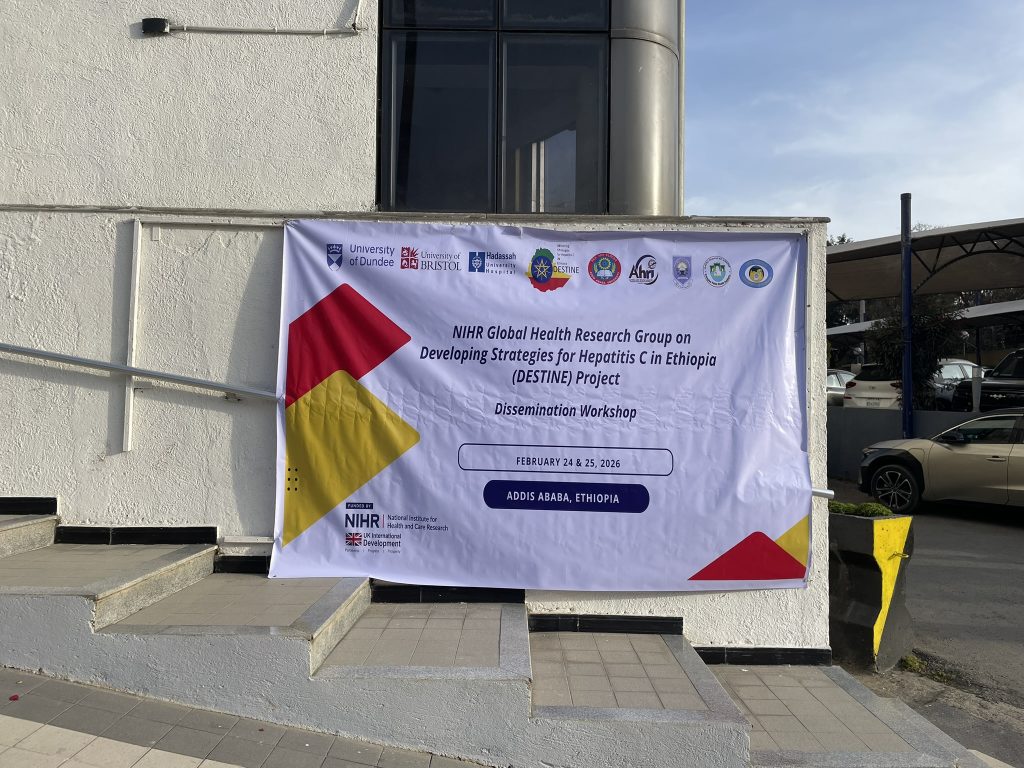
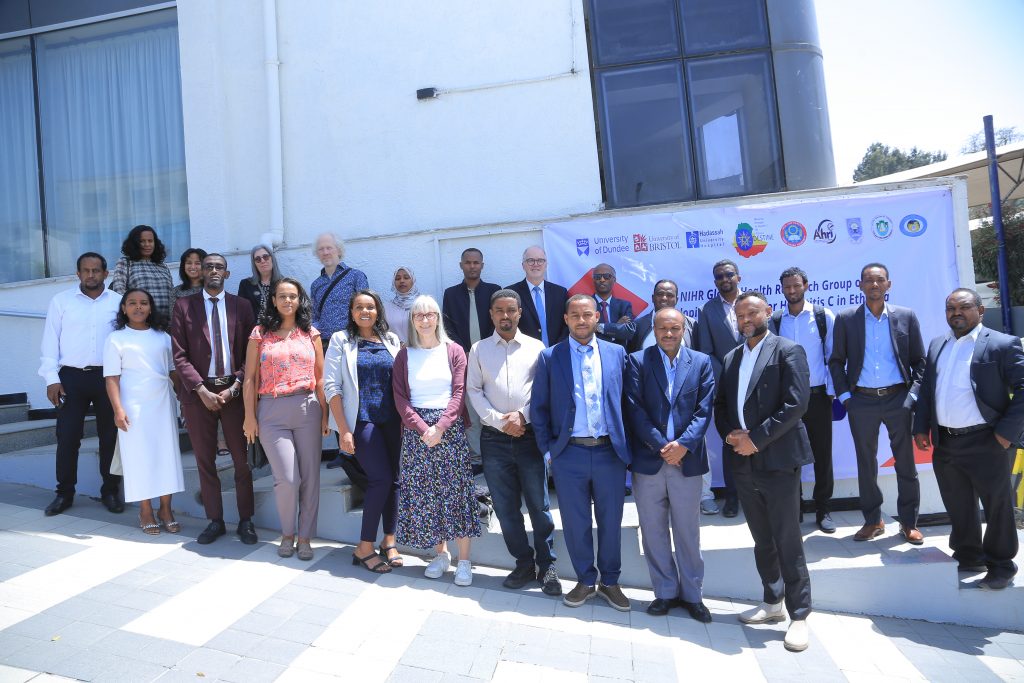
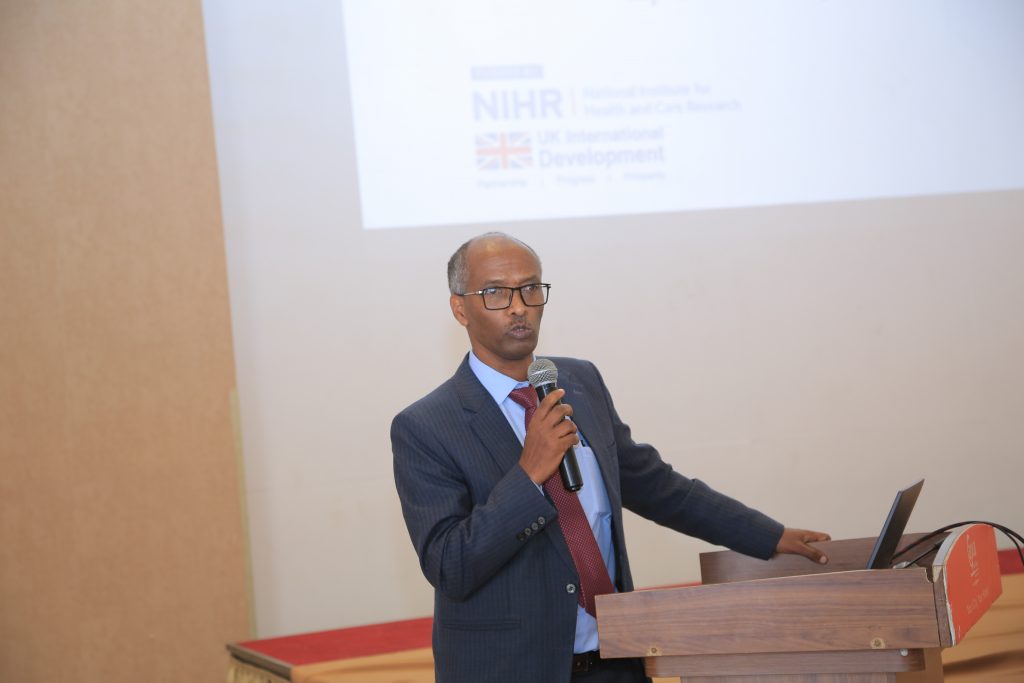
The fight against Hepatitis C (HCV) in Ethiopia took an important step forward at the DESTINE Project Final Annual Meeting, held in Addis Ababa on 25 February 2026. Researchers, clinicians, policymakers, and public health leaders came together to share new evidence and practical strategies to support Ethiopia’s journey toward eliminating Hepatitis C by 2030.
Why This Work Matters
Hepatitis C is a blood-borne virus that can lead to liver cirrhosis and cancer if untreated. With the availability of highly effective treatments, global elimination is now possible—but requires strong national strategies.
- Understand the scale of HCV in Ethiopia
- Model disease burden and treatment impact
- Develop effective testing and treatment pathways
A Collaborative Effort
The meeting brought together key stakeholders, including:
- Federal Ministry of Health, Ethiopia
- Ethiopian Public Health Institute (EPHI)
- Blood and tissue services
- Universities and clinical providers
Key Findings
1. Hepatitis C Prevalence is Lower Than Expected
General population prevalence: 0.2% — around 10 times lower than previous estimates.
- People who inject drugs: 2.9%
- Prisoners: 1.2–4%
- Healthcare workers: ~1.1%
- Blood donors: 0.4–0.82%
- People with non-Hodgkin’s lymphoma 5.1%
👉 Implication: Targeted screening is more appropriate than universal screening.
2. Targeted Screening is More Cost-Effective
Modelling shows that while universal screening is effective, targeting populations with prevalence ≥1% provides significant cost savings.
3. Gaps in Care Pathways
- Patients often do not progress to confirmatory PCR testing
- Treatment pathways are fragmented
- Expired medications highlight inefficiencies
👉 The issue is not just diagnosis—but completing the pathway to cure.
4. Challenges with Diagnostics
Concerns were raised about non-validated antibody tests leading to false positives and reduced clinician confidence.
👉 Recommendation: Use WHO-approved or quality-assured tests nationwide.
5. Communication Gaps
Weak communication between stakeholders affects access to testing, treatment, and efficient resource use.
Recommendations for Ethiopia’s HCV Strategy
- Focus screening on high-risk groups
- Adopt validated diagnostic tests
- Strengthen linkage from diagnosis to treatment
- Improve coordination between stakeholders
- Reduce waste in drug procurement
Looking Ahead
Ethiopia has the tools to eliminate Hepatitis C. Success will depend on smarter targeting, stronger health systems, and improved collaboration across stakeholders.
This research was funded by the NIHR (133208) using UK international development funding from the UK Government to support global health research. The views expressed in this publication are those of the author(s) and not necessarily those of the NIHR or the UK government..